


Creating a Calm and Nurturing Environment for Your Nervous System
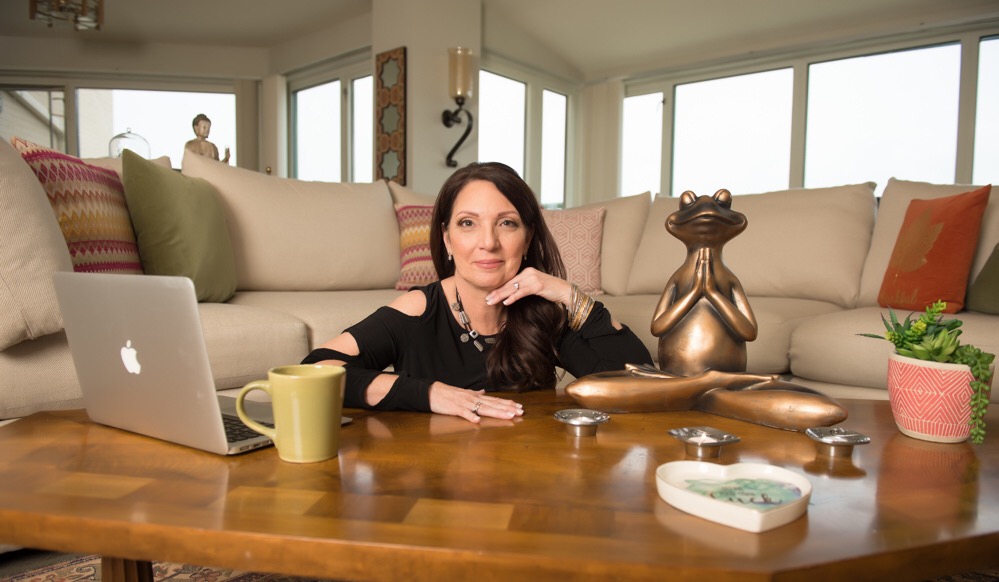
Our homes should be places where we feel safe, relaxed, and restored. Yet, many of us live in spaces that unknowingly add to stress and tension. Designing a home that supports your nervous system can help reduce anxiety, improve sleep, and boost overall well-being. This post explores practical ways to create a calm and nurturing environment that soothes your nervous system every day.

Understanding How Your Home Affects Your Nervous System
Your nervous system responds to your surroundings constantly. Bright lights, loud noises, clutter, and harsh colors can trigger stress responses, while calm colors, natural elements, and organized spaces encourage relaxation. The goal is to create a home environment that gently signals safety and calmness to your brain.
Key factors that influence your nervous system include:
Lighting: Natural light supports circadian rhythms and mood.
Colors: Soft, muted tones reduce overstimulation.
Sound: Quiet or soothing sounds help lower stress hormones.
Air quality: Fresh air and plants improve breathing and calmness.
Clutter: Organized spaces reduce mental overload.
By paying attention to these elements, you can design a home that feels like a sanctuary.
Choosing Colors and Lighting That Promote Calm
Colors have a powerful effect on mood and nervous system activity. Avoid bright, harsh colors like neon or intense reds that can raise heart rate and anxiety. Instead, choose:
Soft blues and greens that evoke nature and tranquility.
Warm neutrals like beige, soft gray, or muted taupe for grounding.
Pastel shades that feel gentle and inviting.
Lighting should mimic natural daylight as much as possible. Use sheer curtains to let in sunlight and avoid heavy drapes that block light. For artificial lighting:
Use warm white bulbs instead of cool or blue-toned lights.
Incorporate dimmable lights to adjust brightness according to time of day.
Add lamps with soft shades to create cozy corners.
Natural light and gentle lighting cues help regulate your nervous system and improve sleep quality.
Incorporating Natural Elements and Textures
Bringing nature indoors has a calming effect on the nervous system. Plants, natural wood, stone, and water features can all help create a nurturing atmosphere.
Ideas to include natural elements:
Place easy-care plants like snake plants or pothos around your living spaces.
Use wooden furniture or accents to add warmth and texture.
Add a small indoor fountain or water bowl to introduce soothing sounds.
Choose natural fiber rugs, cushions, and throws for tactile comfort.
These elements connect you to nature, which research shows lowers stress hormones and improves mood.

Reducing Noise and Clutter for Mental Clarity
Noise pollution can overstimulate your nervous system and increase anxiety. To reduce noise:
Use thick curtains, rugs, and upholstered furniture to absorb sound.
Consider white noise machines or soft background music to mask disruptive sounds.
Seal windows and doors to block outside noise.
Clutter creates visual chaos and mental stress. Keep your home organized by:
Decluttering regularly and donating items you don’t use.
Using storage solutions like baskets, shelves, and boxes to keep surfaces clear.
Creating designated spots for everyday items to avoid mess buildup.
A tidy, quiet space helps your nervous system relax and your mind focus.
Creating Relaxation Zones and Mindful Spaces
Designate areas in your home specifically for relaxation and self-care. These zones should feel inviting and free from distractions.
Tips for creating calming spaces:
Use comfortable seating with soft cushions and blankets.
Add calming scents like lavender or chamomile with essential oils or candles.
Include items that promote mindfulness, such as books, journals, or meditation cushions.
Keep technology out of these spaces to avoid overstimulation.
Having a dedicated spot to unwind signals your nervous system that it’s time to rest and recharge.

Final Thoughts on Designing a Nervous System-Friendly Home
Your home has the power to either soothe or stress your nervous system. By choosing calming colors, natural light, and textures, reducing noise and clutter, and creating mindful spaces, you build an environment that supports relaxation and well-being. Start small by adjusting one room or corner, then expand these principles throughout your home.
Take time to notice how your space affects your mood and energy. Adjust your surroundings to nurture your nervous system daily. A calm home is a foundation for a calm mind.


Comments