


Creating Harmonious Spaces: Children's Room Design for Wellness and Emotional Balance
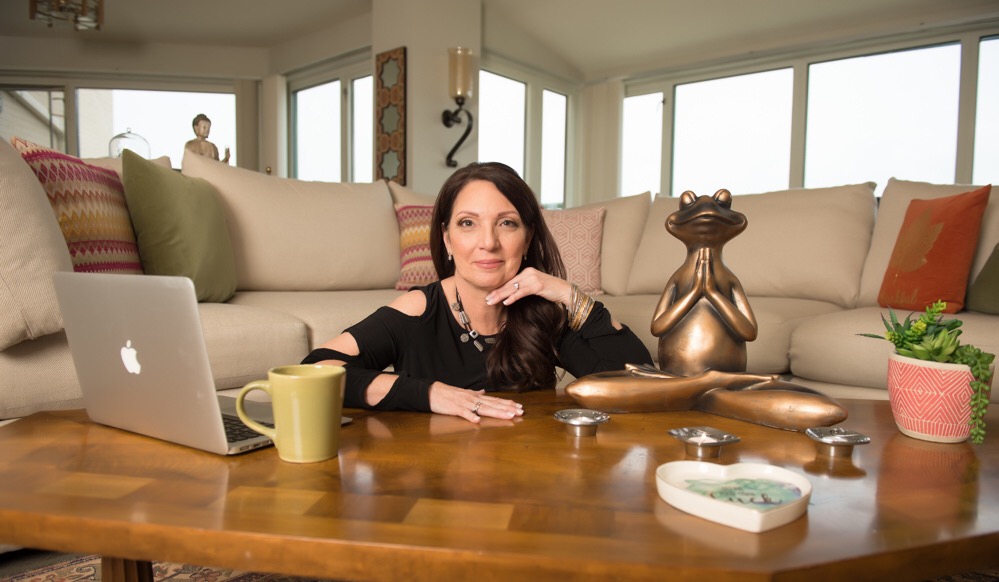
Designing a child's room goes beyond aesthetics; it plays a crucial role in their overall wellness and emotional balance. A thoughtfully designed space can foster creativity, promote relaxation, and provide a safe haven for children as they navigate their formative years. This blog post explores key elements to consider when creating a harmonious environment for children, focusing on holistic wellness and emotional stability.
Understanding Holistic Wellness in Children's Spaces
Holistic wellness encompasses physical, emotional, and mental health. When designing a child's room, it's essential to create an environment that supports all these aspects. This means considering not just the furniture and decor, but also the colors, textures, and layout of the space.
A well-designed room can help children feel secure and nurtured, which is vital for their emotional development. By integrating elements that promote wellness, parents can create a sanctuary that encourages healthy habits and emotional resilience.
The Importance of Color Psychology
Colors have a profound impact on mood and behavior. When selecting a color palette for a child's room, it's important to consider the psychological effects of different hues.
Soft Blues and Greens: These colors are known for their calming effects, making them ideal for promoting relaxation and tranquility.
Warm Yellows and Oranges: These shades can stimulate creativity and energy, perfect for play areas or study nooks.
Neutral Tones: Incorporating neutral colors can create a balanced backdrop, allowing for flexibility in decor and personal expression.
By thoughtfully choosing colors, parents can create a space that not only looks appealing but also supports their child's emotional well-being.

Incorporating Natural Elements
Bringing nature indoors can significantly enhance a child's room. Natural elements such as plants, wood, and natural light contribute to a sense of calm and well-being.
Plants: Adding indoor plants can improve air quality and create a soothing atmosphere. Consider low-maintenance options like snake plants or pothos, which are safe for children.
Natural Light: Maximizing natural light can uplift the mood and energy of the room. Positioning furniture to allow sunlight to filter in can create a warm and inviting space.
Natural Materials: Opt for furniture and decor made from natural materials like wood, cotton, and wool. These materials are not only sustainable but also contribute to a healthier indoor environment.
Integrating these elements can help create a nurturing space that promotes emotional balance and well-being.
Creating Functional Zones
Children's rooms should be designed with functionality in mind. Creating distinct zones for different activities can help children understand the purpose of each area and promote a sense of order.
Sleep Zone: A comfortable bed with soft bedding and calming decor can create a restful sleep environment.
Play Zone: Designate a space for play that encourages creativity and exploration. Use colorful rugs and storage solutions to keep toys organized and accessible.
Study Zone: A quiet area with a desk and good lighting can foster focus and productivity. Personalize this space with inspiring artwork or motivational quotes.
By clearly defining these zones, parents can help children develop healthy habits and routines that support their emotional and mental well-being.

Personalization and Expression
Allowing children to personalize their space is crucial for their emotional development. When children have a say in how their room is decorated, they feel a sense of ownership and pride.
Artwork: Encourage children to display their artwork or favorite posters. This not only adds a personal touch but also boosts their self-esteem.
Bedding and Decor: Let children choose their bedding and decor items. This can be a fun way for them to express their personality and interests.
Interactive Elements: Consider incorporating elements like chalkboard walls or magnetic boards where children can create and change their displays regularly.
Personalization fosters creativity and helps children feel more connected to their space, contributing to their overall emotional balance.
Safety and Comfort
Safety is paramount when designing a child's room. Ensuring that the space is free from hazards and comfortable is essential for promoting wellness.
Furniture: Choose furniture with rounded edges and non-toxic finishes. Ensure that heavy items are secured to prevent tipping.
Flooring: Soft flooring options like carpets or rugs can provide a safe play area and reduce the risk of injury.
Lighting: Use soft, adjustable lighting to create a cozy atmosphere. Night lights can also provide comfort during bedtime.
By prioritizing safety and comfort, parents can create a nurturing environment that supports their child's emotional and physical well-being.
Conclusion
Designing a child's room for holistic wellness and emotional balance is a rewarding endeavor that can have lasting benefits. By considering elements such as color psychology, natural materials, functional zones, personalization, and safety, parents can create a harmonious space that nurtures their child's development.
A well-designed room not only enhances the aesthetic appeal but also fosters creativity, relaxation, and emotional resilience. As children grow and change, their rooms can evolve with them, continuing to support their journey toward wellness and balance.
Creating a harmonious space is an investment in a child's future, providing them with a sanctuary where they can thrive emotionally and mentally.


Comments